AT1
Assessed Taskes
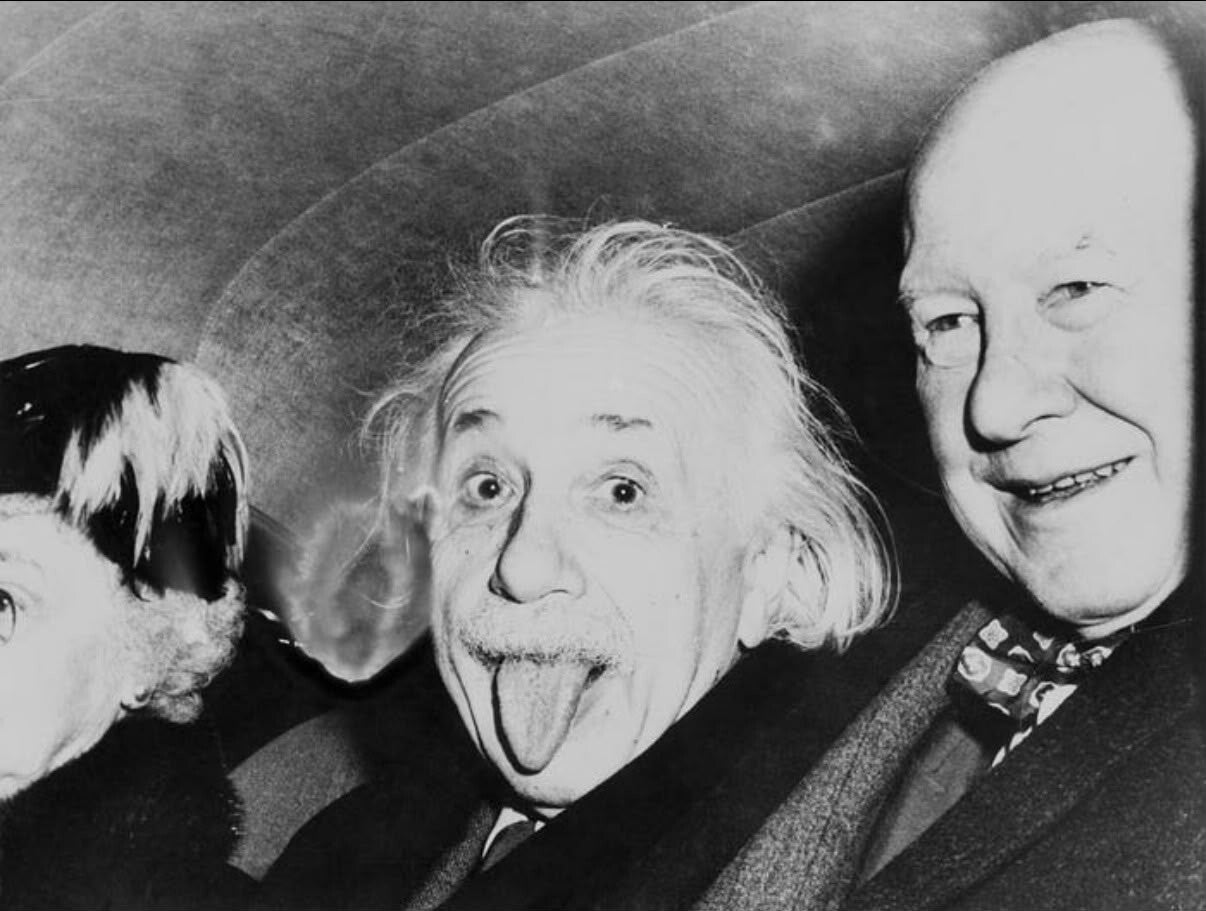
The original photograph shows Albert Einstein sticking his tongue out, capturing his playful personality. My recreation imitates Arthur Sasse’s style using soft lighting, centred composition, a medium close-up shot, an eye-level camera angle, a simple background, and black-and-white tones with strong contrast.

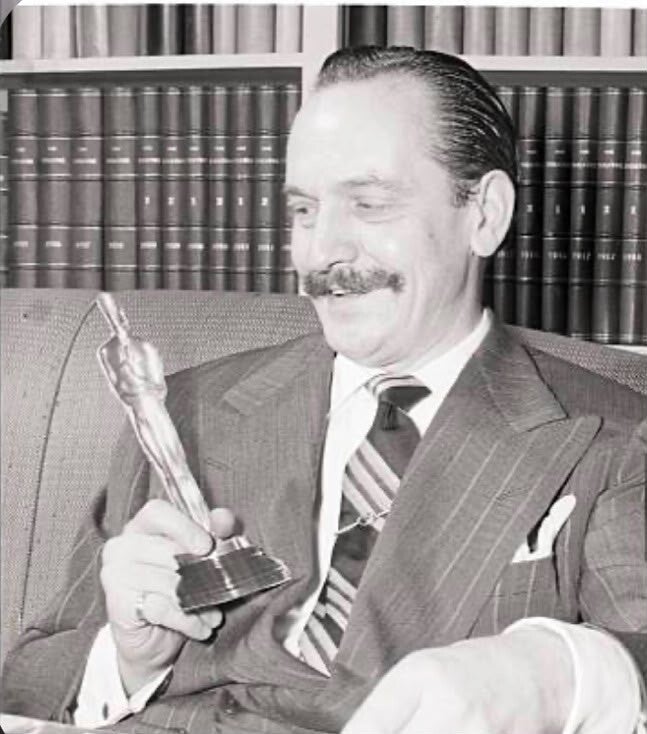

The original photograph shows actor Fredric March accepting a cardboard Oscar replica from INP in 1947, after being named Best Actor for The Best Years of Our Lives. My recreation imitates Arthur Sasse’s photography style through similar lighting, composition, shot size, camera angle, background, and colour contrast.
Creativity
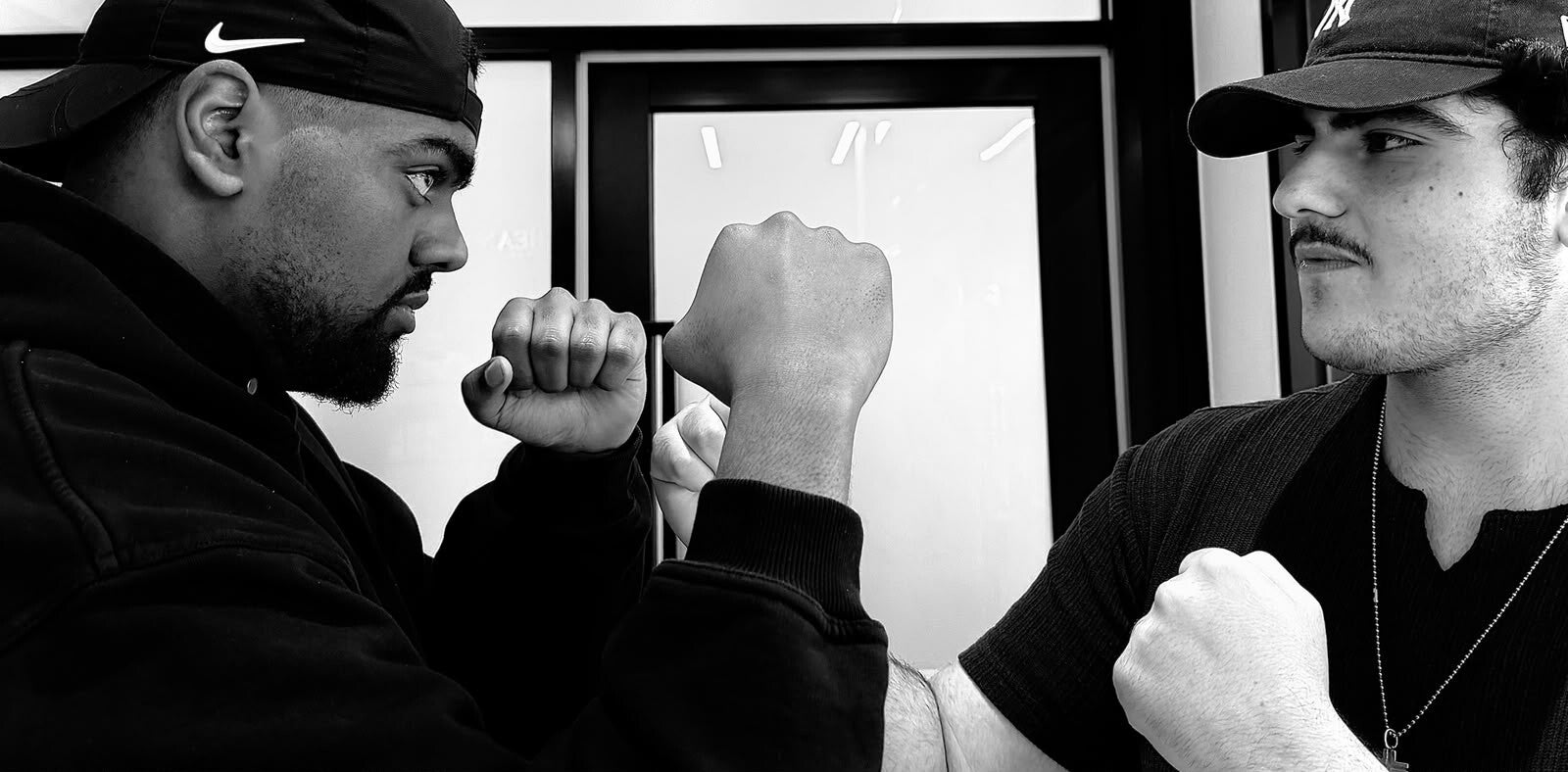
The original photograph is a creative black-and-white image showing two people facing each other in a boxing face-off. I created my own interpretation using a similar composition, camera angle, lighting, shot size, and strong contrast to create a dramatic effect.
Non-Assessed Tasks
60 Seconds Day in my life
AT2
Assessed tasks
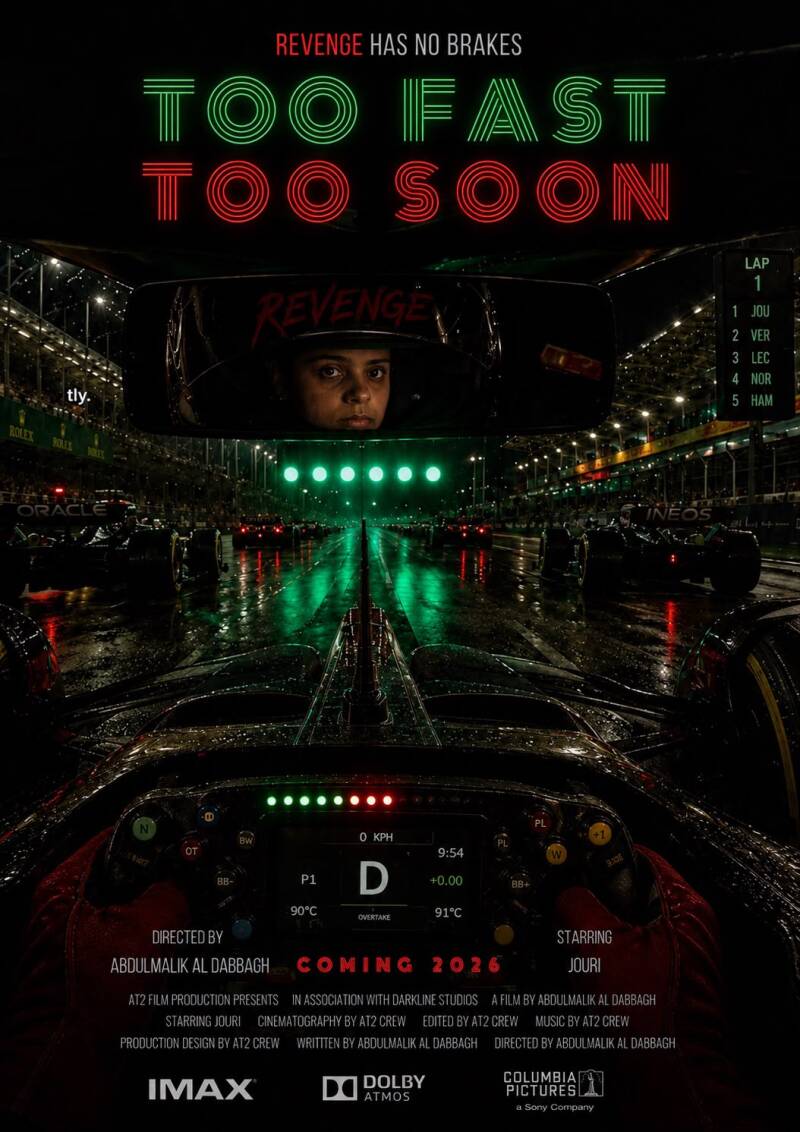
The AT2 poster promotes my fictional action film, Too Fast Too Soon, which explores themes of revenge, loss, competition and determination. The story follows Susy, a fearless racing driver who enters a dangerous race against time to defeat her late brother’s rival, whom she suspects is responsible for his death. I wanted the poster to communicate the intensity and danger of the story without revealing too much of the plot. I used a first-person perspective from inside the racing cockpit to place the audience directly in the driver's position and make them feel involved in the action. The rear-view mirror reflects another driver's face, suggesting that someone is watching, following or threatening Susy, which adds mystery and tension. The low-key lighting creates a dark and dramatic atmosphere, while the green track lights and red neon typography provide strong colour contrast and symbolise danger, speed and revenge. The wet racing track reflects the lights, adding depth and making the scene feel more cinematic. I also used bold typography and the tagline “Revenge Has No Brakes” to reinforce the action genre and communicate the film's central theme. Overall, I wanted the poster to capture the feeling that the race is not just about winning, but about revenge, survival and uncovering the truth.
Non-Assessed Taskes
Stop Motion Animation
In this task, I explored stop-motion animation, a unique form of media that brings still images to life through movement. I also experimented with creating non-verbal vocal sound effects using my mouth instead of spoken dialogue. This allowed me to explore how sounds can communicate emotions and bring a scene to life without using words. I found this approach unusual but creative, as it showed me how different elements of media can work together to tell a story.
AT3
Assessed tasks
AT3 – Newsroom Project
In this task, I worked collaboratively with Russell Goh and Joyce Zhou to research, write and produce a news article about how Trinity College students use social media and messaging apps to stay connected. We conducted surveys and interviews with international students from different backgrounds, which helped me understand how communication platforms can create a sense of belonging and connection. Throughout the project, I developed my communication, teamwork and research skills by sharing ideas, discussing different perspectives and dividing responsibilities within the group. I also learned how to turn real student experiences into an engaging news story and present information in a way that connects with an audience. One of the most valuable parts was adapting our written article into a podcast at SYN Radio, where I gained experience with professional recording and presenting. Overall, this project taught me the importance of collaboration, listening to others and communicating effectively, both behind the scenes and in front of an audience.
For this task, our group first researched and wrote a news article about how Trinity College students use social media and messaging apps to stay connected with friends and family. We then adapted the same article into a podcast, covering the same topic and key findings in a more conversational format. We recorded the podcast professionally at SYN Radio, where I took on the role of the host, introducing the topic, guiding the discussion and presenting the story to the audience. This experience helped me develop my communication, teamwork and presentation skills. I also learned how to adapt written news content for an audio audience while keeping the main information consistent. Working with Russell and Joyce taught me the importance of sharing responsibilities, listening to different ideas and collaborating to produce a final piece of media.
AT4
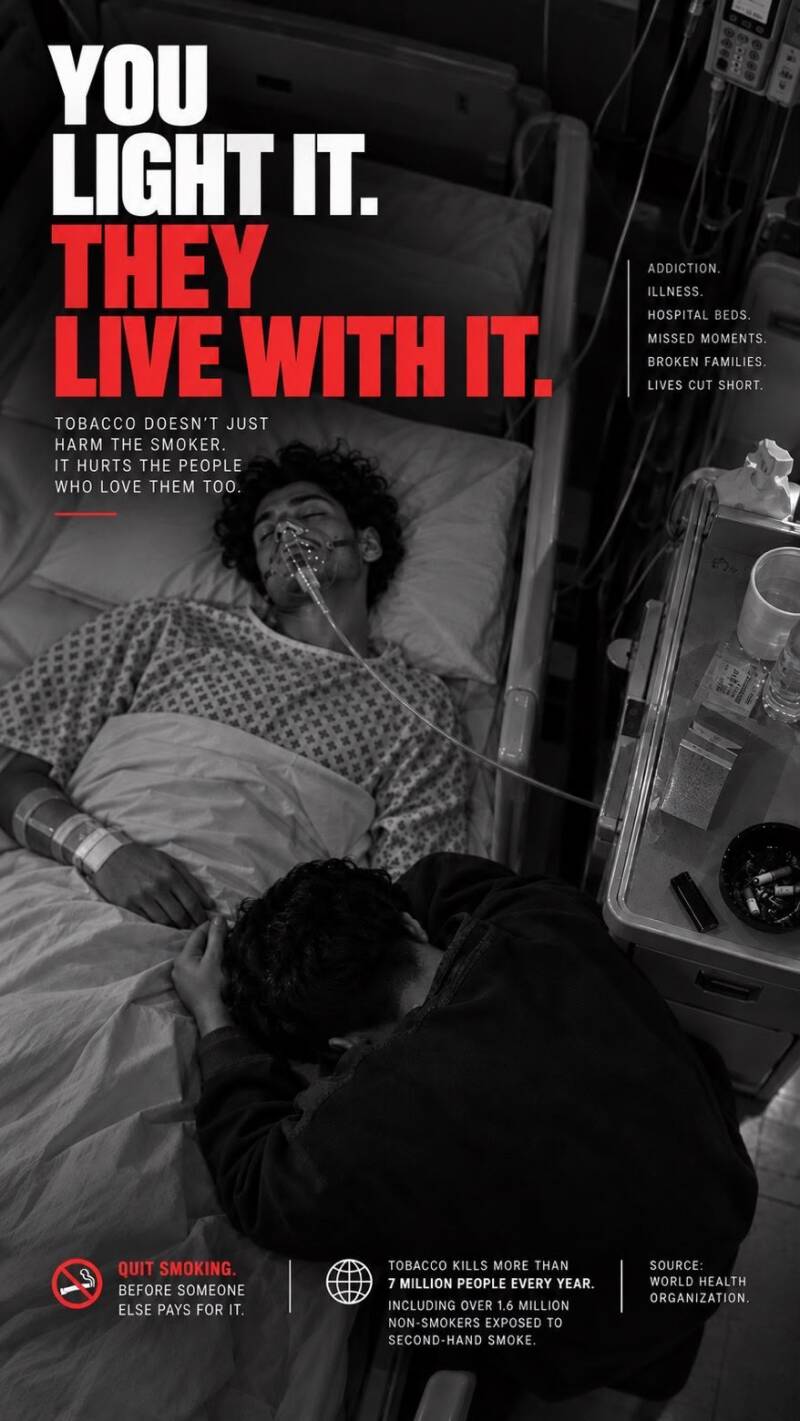
Anti-Smoking Awareness Advertisement
For this advertisement, my main idea was to show that smoking does not only harm the person who smokes, but also affects the people around them, especially their family and loved ones. I wanted to communicate the emotional consequences of second-hand smoke by showing a patient lying in a hospital bed while a family member sits beside them, highlighting the pain and suffering that smoking can cause to others.
I chose a black-and-white image to create a serious and emotional atmosphere, while using red for important words to grab the audience's attention and emphasise the message. The large, bold headline, "You Light It. They Live With It", was designed to make people think about the consequences of their actions. I also included short statements such as "Addiction, illness, hospital beds, missed moments, broken families and lives cut short" to make the message more powerful. At the bottom, I added a call to action encouraging people to quit smoking, along with a statistic from the World Health Organization to support the message with factual information.
Overall, I wanted the advertisement to create an emotional connection with the audience and encourage smokers to think about how their choices can affect the people they love.
Content Creator Task
For this task, I created content inspired by the Saudi content creator Thunayyan Khalid. I chose him because he was someone I had followed since I was young. He was very popular among people in Saudi Arabia and across the Gulf, especially during his time studying abroad. His content inspired many young people to explore new ideas, try different experiences and step outside their comfort zones.
I wanted my work to reflect the style and energy that made his content so interesting to me. I took inspiration from his presentation style, personality and way of sharing experiences, but added my own touch to make it feel more modern and suitable for today's social media audience. This task allowed me to explore how influencers connect with their audiences and inspire people through everyday content. It also helped me understand how to develop a recognisable content style while adapting it to modern trends.
FINAL REFLECTION
AT4 – Part B: Final Reflection
Media Creation
Throughout this year in Media and Communications, I discovered that I enjoy being creative and expressing ideas through different forms of media. At the beginning of the course, I did not fully understand how much planning and effort goes into creating media products. However, through the different tasks, I developed new skills in photography, editing, content creation and visual storytelling.
The project that allowed me to express my creativity the most was the photography task. I particularly enjoyed experimenting with camera angles, composition, lighting and framing to create different visual effects. I realised that I enjoy taking photographs and capturing moments, especially when I can communicate an idea through an image rather than words. I also developed a better understanding of how small creative decisions can change the way an audience interprets a photograph.
If I could complete this project again, I would spend more time experimenting with different compositions, lighting setups and camera angles before choosing my final photographs. I would also try to be more adventurous with my creative decisions instead of settling on the first idea. Through this experience, I discovered that photography and editing are areas I would like to continue developing. I can apply these skills in future projects, personal interests and potentially professional opportunities involving digital media and communication.
Personal Growth
One of the most important things I gained from this subject was personal growth. Throughout the year, I became more comfortable communicating with others, sharing my ideas and participating in group activities. One challenge I faced was working collaboratively when people had different opinions, ideas and approaches to completing a task. Sometimes, it was difficult to make sure everyone understood their responsibilities and that we were all working towards the same outcome. This could be frustrating, especially when things did not go according to plan or when deadlines were approaching.
I gradually learned to overcome these challenges by communicating more clearly, listening to other people's perspectives and taking responsibility for my own work. The newsroom project was particularly useful because it required teamwork, research and communication. Recording our podcast at SYN Radio also gave me the opportunity to become more confident speaking in front of others and taking on the role of a host.
I believe I have become more social, confident and comfortable working with different people. I also learned that mistakes are a normal part of the creative process. Instead of giving up when something does not work, I now understand the importance of reviewing my work, learning from feedback and making improvements. In the future, I will try to approach challenges with a more positive attitude and be more confident when expressing my ideas.
Media Consumption and Understanding
My understanding of media has changed significantly since the beginning of the year. Previously, I mainly viewed media as something people created to entertain, inform or communicate with an audience. Now, I understand that producing effective media requires creativity, planning, technical skills and a clear understanding of the intended audience.
I have learned how different media techniques can influence the way people think and feel. For example, lighting, colour, camera angles, sound, editing and typography can all affect the message being communicated. I also developed a better understanding of the importance of media literacy, including recognising the purpose behind media products, understanding how audiences are targeted and considering how information and images can influence people's opinions.
These learnings have changed the way I consume media in my everyday life. When watching videos, advertisements or scrolling through social media, I now pay more attention to how the content has been created. I sometimes notice the editing techniques, camera work and visual choices that I would not have thought about before. I have also developed a greater appreciation for content creators and the amount of work that goes into producing content that may look simple to an audience.
Looking towards the future, I am particularly interested in the connection between media and the sports industry. Sport is something I have always been passionate about, and I now recognise how important media is for sports clubs, athletes and organisations. Social media, advertising, photography and video production are all important ways of connecting with fans and building an audience. I would like to apply the skills I developed in this subject to areas such as sports marketing, sports media and digital content creation.
Conclusion
Overall, Media and Communications has helped me develop both creative and personal skills. I discovered my interest in photography and content creation, became more confident socially and developed a deeper understanding of how media is produced and consumed. Most importantly, I have learned to look at media from both the creator's and the audience's perspective. I believe these skills will continue to benefit me in my future studies, personal interests and potential career.